
When cash slips further from our wallets, a quiet revolution is unfolding in the way we spend, save, and manage money. Crypto cards — plastic or virtual cards linked to cryptocurrency wallets — are emerging as a pivotal bridge between digital assets and everyday purchases. As global economies pivot towards cashless transactions, understanding how crypto cards function and their impact on financial behavior becomes essential for anyone navigating today’s evolving monetary landscape.
Cashless payments, once a convenience, are now steadily becoming the norm. According to a 2024 report by the World Bank, over 60% of global transactions are conducted without physical currency, a figure projected to climb as digital payment methods expand. Crypto cards, which allow users to convert cryptocurrencies like Bitcoin or Ethereum into fiat currency instantly, are carving out a unique space in this ecosystem — blending the worlds of decentralized finance with everyday spending habits.
The Rise of Crypto Cards in a Digital Economy
In the past decade, cryptocurrency shifted from a niche investment to a mainstream asset class. Yet one of the biggest hurdles for mass adoption has been usability: how to seamlessly spend digital currencies in a world still dominated by dollars, euros, or yen. Crypto cards answer this question by acting as a payment interface that translates crypto holdings into accepted tender at millions of merchants worldwide.
Crypto cards operate similarly to traditional debit or credit cards but are directly linked to a user’s cryptocurrency wallet. When a purchase is made, the card provider automatically converts the required amount of crypto into fiat currency at the current exchange rate, allowing for smooth transactions without the merchant needing to accept crypto directly. This convenience supports the cashless economy by removing friction between digital assets and real-world use.
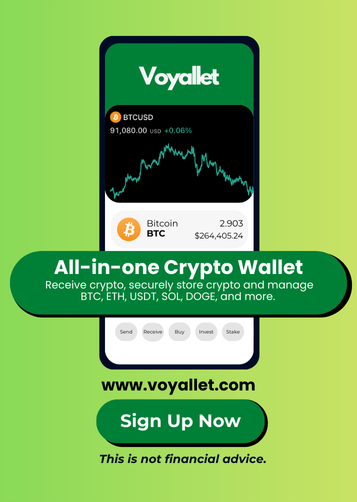
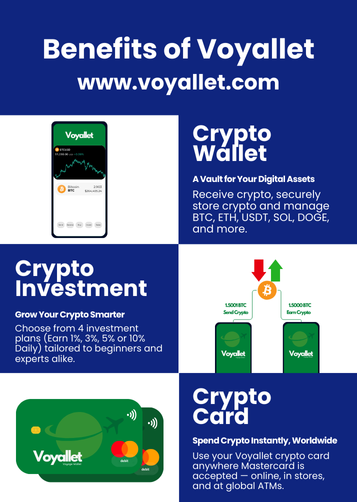
More sophisticated crypto wallets now integrate features like staking and rewards, offering users the potential to earn interest or cashback in crypto with every transaction. One such example is Voyallet, which offers a secure crypto card alongside multi-functional wallet services, combining investment, staking, and payments into a single accessible solution. This kind of integration exemplifies how digital wallets are evolving beyond simple storage to become financial hubs that empower users within a cashless environment.
Benefits and Challenges of Crypto Cards
The advantages of crypto cards extend beyond mere convenience. For many, they provide greater control over spending, enhanced privacy, and access to a global financial network without the need for traditional banking infrastructure. For those living or working abroad, crypto cards can minimize costly currency exchange fees and streamline international transactions.
However, the adoption of crypto cards also brings challenges. Volatility in cryptocurrency prices means the value deducted at the point of sale can fluctuate rapidly, sometimes causing confusion or unexpected costs for users. Moreover, regulatory uncertainty remains a significant hurdle in many jurisdictions, with governments still defining how crypto payment methods should be classified and taxed.
Security is another critical consideration. Crypto cards and wallets require robust encryption and user authentication to prevent fraud or unauthorized access. Users must remain vigilant about safeguarding private keys and credentials, especially as scams targeting crypto holders increase in sophistication.
Behind the Crypto Card Trend
Take the example of Alex, a digital nomad who travels extensively while earning income in multiple cryptocurrencies. Before adopting a crypto card, Alex faced frequent delays and high fees converting crypto to local currencies, often relying on unreliable exchanges. Since switching to a crypto card linked to a secure wallet, Alex can pay for groceries, transportation, and lodging instantly — all without carrying cash or visiting local banks.
Similarly, Priya, an entrepreneur in Southeast Asia, uses her crypto card to manage business expenses and personal spending separately. The ability to stake crypto within her wallet while simultaneously using the card for everyday payments has helped her maintain liquidity and grow her crypto portfolio more effectively.
Stories like these highlight the human element driving crypto card adoption: the need for financial flexibility, security, and control in a rapidly digitizing world. They also underscore the importance of choosing trustworthy wallet providers that prioritize user safety and regulatory compliance.
Practical Steps for Using Crypto Cards Safely
For anyone considering a crypto card, there are several best practices to keep in mind:
- Research the Wallet Provider: Ensure the wallet and card issuer are reputable, with transparent policies and security features such as two-factor authentication.
- Understand Fees and Limits: Review transaction fees, currency conversion costs, and spending limits, as these vary widely across providers.
- Stay Updated on Regulations: Crypto payment laws can change, affecting how cards can be used or taxed. Keeping informed reduces surprises.
- Secure Your Credentials: Never share private keys or card details, and use hardware wallets or secure apps when possible.
- Diversify Holdings: Given crypto’s volatility, avoid keeping all funds in one cryptocurrency or wallet to mitigate risks.
Tools like Voyallet exemplify how modern wallets can simplify these complexities by integrating security, investment, and payment functions within a single app, making it easier for users to manage their crypto assets responsibly.
Looking Ahead: Crypto Cards and the Future of Money
As the cashless economy accelerates, crypto cards stand to play a growing role in everyday finance — not just as a novel payment method but as gateways to a broader decentralized financial system. They enable users to harness the benefits of cryptocurrency without sacrificing convenience or security, potentially reshaping how value flows across borders and communities.
Financial experts caution that widespread adoption hinges on clearer regulatory frameworks and advancements in user education. But the trajectory is clear: crypto cards are no longer niche tools but essential instruments in the ongoing transformation towards a digital-first monetary world.
By embracing these innovations thoughtfully, individuals and businesses alike can better navigate the opportunities and risks of a cashless future — turning the promise of cryptocurrency into practical, everyday reality.