
Cryptocurrency markets are famously volatile, with prices swinging dramatically in minutes. For investors navigating this unpredictable terrain, diversification isn’t just a strategy — it’s a necessity. Spreading assets across different coins and tokens can mitigate risks, protect against sudden downturns, and open doors to new opportunities in emerging blockchain projects. But what does effective diversification look like in the crypto world, and why is it more critical now than ever before?
As the crypto landscape evolves, new technologies, regulations, and market behaviors make a diversified approach essential for both novice and seasoned investors. This article delves into the reasons diversification matters, how to approach it intelligently, and the tools that can help manage and safeguard a varied crypto portfolio.
Why Diversification Is Critical in Cryptocurrency Investing
Unlike traditional financial assets such as stocks or bonds, cryptocurrencies operate in a market that’s still relatively young and rapidly developing. This environment brings inherent risks:
- Extreme volatility: Daily price fluctuations of 5% or more are common, and some tokens can lose half their value in days.
- Regulatory uncertainty: Shifting government policies can quickly impact specific assets or the entire market.
- Technological risks: Vulnerabilities in blockchain protocols, forks, or failed projects may suddenly render investments worthless.
Because of these unique risks, putting all your funds into a single cryptocurrency exposes you to potentially devastating losses. Diversification — spreading investments across different assets — helps cushion against these shocks. For instance, if one token suffers a setback, others may hold steady or even gain value, balancing your overall portfolio.
But diversification is more than just owning multiple cryptocurrencies. It involves understanding the types of assets available:
- Blue-chip cryptocurrencies: Established coins like Bitcoin and Ethereum have larger market caps and more liquidity, generally showing less erratic price swings.
- Altcoins: These include hundreds of smaller, often more speculative tokens with growth potential but higher risks.
- Stablecoins: Pegged to fiat currencies, stablecoins offer relative safety and liquidity, serving as a hedge during market turbulence.
- DeFi tokens and NFTs: Emerging asset classes connected to decentralized finance and digital collectibles add another layer of diversification, though they come with their own risk profiles.
Current Trends Highlight the Importance of a Balanced Crypto Portfolio
The cryptocurrency market has experienced sharp cycles of boom and bust, influenced by macroeconomic factors such as inflation, interest rates, and geopolitical tensions. In recent months, some altcoins have suffered significant price drops after initial hype, while Bitcoin and Ethereum displayed relative resilience. This divergence underscores why having a mix of assets can protect investors.
Moreover, regulatory agencies worldwide are increasingly scrutinizing crypto operations. Sudden policy changes can affect specific tokens or exchanges, reinforcing the need to spread risk. In this shifting landscape, tools that combine secure storage with portfolio management become invaluable.
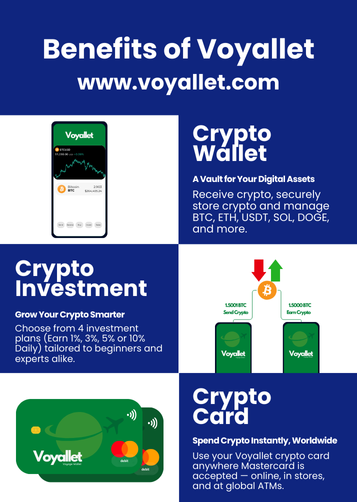
One such solution, Voyallet, offers secure crypto asset management with integrated staking and a travel-friendly crypto card, helping investors maintain control and flexibility. Using a secure wallet like Voyallet reduces the need to juggle multiple apps, streamlining portfolio oversight while providing peace of mind.
How to Build a Diversified Crypto Portfolio
Constructing a well-diversified portfolio starts with clear goals and risk tolerance. Here’s a step-by-step approach:
- Assess Your Risk Appetite: Determine how much volatility you can handle. Younger investors may tolerate higher risks for potential gains, while retirees might prefer safer holdings.
- Allocate Across Asset Types: Balance investments between blue-chip coins, promising altcoins, stablecoins, and emerging tokens based on your risk profile.
- Research Each Asset: Understand the technology, use case, development team, and market trends before investing.
- Consider Staking and Yield Opportunities: Some cryptocurrencies allow staking or yield farming, providing passive income. However, these come with additional risks and should be factored into your portfolio mix carefully.
- Rebalance Periodically: Market movements will change your portfolio’s composition. Regularly adjust allocations to maintain your desired risk level.
- Use Secure Wallets: Store assets in wallets with robust security features, such as hardware wallets or trusted multi-functional wallets like Voyallet, which offer integrated solutions for storage, staking, and spending.
Stories from the Crypto Community
Take the experience of Marco, a mid-career professional who began investing in crypto in early 2020. Initially, he put most of his funds into a single altcoin after hearing about its rapid growth. When the coin crashed unexpectedly due to a smart contract vulnerability, Marco lost nearly 40% of his investment.
Determined to learn, he shifted strategy: Marco diversified across Bitcoin, Ethereum, stablecoins, and a handful of vetted altcoins with real-world applications. He also started using a secure crypto wallet that consolidated his assets and allowed easy staking. Today, although the market continues to fluctuate, his portfolio demonstrates greater stability and resilience.
Stories like Marco’s highlight the emotional toll market crashes can take — and why a diversified approach, combined with secure asset management, can reduce stress and protect financial well-being.
Actionable Steps to Diversify Your Crypto Investments
- Start with a clear budget and only invest what you can afford to lose.
- Spread investments over at least 4 to 6 different cryptocurrencies with varying risk profiles.
- Incorporate stablecoins to hedge against market downturns.
- Use wallets that provide both security and convenience — seamless access to staking, investment tracking, and crypto card use.
- Stay informed about market trends, regulatory updates, and new technologies.
- Avoid chasing hype or “get-rich-quick” schemes; stick to a rational, research-based strategy.
Looking Ahead: The Future of Crypto Portfolio Management
As cryptocurrencies mature, the tools and strategies for managing diversified portfolios will continue to improve. Integration of secure wallets, staking options, and spending features — as exemplified by services like Voyallet — will make it easier for investors worldwide to maintain balanced, adaptable portfolios.
The global nature of crypto means market dynamics can shift rapidly, but a thoughtful approach to diversification will always be a cornerstone of sound investing. By combining vigilance, education, and the right technology, investors can navigate uncertainty with confidence.
In the end, diversification is not just about protecting assets — it’s about empowering investors to participate more fully in the digital economy’s growth.